


Paint protection film depends on more than expert installation. Long-term results depend just as much on what customers do after the work is complete. Proper care can extend the lifespan of PPF to keep your vehicle looking like new.
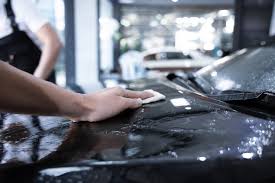
This guide provides effective paint protection film care tips you can share with customers to protect their PPF investment while reducing callbacks and reinforcing your professionalism.
Allow Sufficient PPF Curing Time
The first few days after installation are when most customer concerns begin. Proactively explaining PPF curing time reduces unnecessary confusion and complaints.
Typical PPF curing time ranges from 24 to 48 hours, depending on temperature and humidity. During this period, the adhesive continues bonding, trapped moisture evaporates, and edges fully settle into place.
Minor bubbles and haze are normal. Moisture pockets typically dissipate within several days. If large bubbles don’t disappear within that time, customers should contact their installer.
Customers can typically drive immediately after installation. However, they should:
- Avoid aggressive driving for the first 24 hours
- Avoid heavy rain exposure when possible
- Refrain from washing the vehicle during the curing period, waiting up to five days in cooler climates
How to Wash a Car With PPF
Improper washing is one of the most common causes of premature edge lifting, surface marring, contamination buildup, and avoidable service visits. Following clear guidelines is critical to the long-term success of PPF maintenance and warranty protection.
Proper Washing Techniques
Again, it’s important to wait at least 48 hours before washing to allow full curing and up to five days in cooler climates.
Additionally, owners should:
- Hand wash because automatic car washes, particularly brush-style, increase risk
- Use a pH-neutral automotive shampoo
- Use clean microfiber wash mitts and towels
- Rinse thoroughly with moderate water pressure
- Avoid harsh alkaline- or petroleum-based degreasers, solvent-based clearers, and waxes not designed for film
Drying and Pressure Washing Warnings
Edge lifting is often caused by technique, not product failure. To avoid this, customers should:
- Refrain from aiming high-pressure spray directly at edges
- Spray from at least 12 inches away
- Avoid aggressive towel dragging across seams
Seasonal PPF Maintenance
Each season presents different risks that require special PPF care. PPF Customers should follow these tips to protect their film throughout the year.
Spring: Pollen, Rain, and Residue
- Wash more frequently to remove pollen that can dull appearance and trap moisture
- Rinse vehicles after acidic rain exposure
- Inspect edges for leftover winter debris to reduce risk of staining
Summer: Heat, UV, and Insects
- Promptly remove bug splatter and bird droppings that can etch the topcoat
- Wash regularly to prevent baked-on contamination
- Minimize prolonged exposure to extreme heat when possible
Fall: Organic Debris and Sap
- Remove leaves and debris quickly to prevent staining and buildup
- Clean tree sap using PPF-safe products
- Inspect lower panels after storms or windy conditions
Winter: Salt and Road Treatment Chemicals
- Wash more frequently
- Rinse wheel arches and lower panels thoroughly
- Avoid allowing salt buildup to sit for extended periods
Long-Term Maintenance and Inspection Guidance
Your role as a trusted installer does not end at delivery. Encouraging periodic inspections helps maintain performance, identify minor issues early, and strengthen long-term customer relationships.
What Customers Should Monitor
Finding and addressing issues early promotes faster and easier repairs. Customers should regularly check for the following:
- Edge lifting
- Persistent bubbles beyond two weeks
- Impact damage from road debris
Encourage customers to return to your shop if concerns arise rather than attempting self-repairs.
Ceramic Coating Over PPF
Applying ceramic coating over paint protection film can enhance the surface’s hydrophobic performance and simplify cleaning. Your shop can provide this as a value-added service, creating an additional revenue opportunity while improving customer performance.
Common PPF Mistakes That Shorten PPF Lifespan
Most issues that shorten the lifespan of PPF stem from neglecting the care tips we’ve discussed:
- Washing before full PPF curing time has passed
- Using household cleaning products
- Spraying high-pressure water directly into edges
- Allowing contaminants to sit for extended periods
- Assuming the film makes the vehicle indestructible
Sharing this information will help customers avoid frustration and save you from callbacks.
Proactive Care for Prolonged PPF Performance
Professional installation is only part of delivering legendary protection. Consistent PPF care and disciplined PPF maintenance protect your craftsmanship long after the vehicle leaves your bay.
By sharing these paint protection film care tips with customers, help them maintain their investment while reinforcing your expertise.
It all starts with quality film. Ready to partner with a film engineered with precision manufacturing and backed by professional support?